
 Color Guide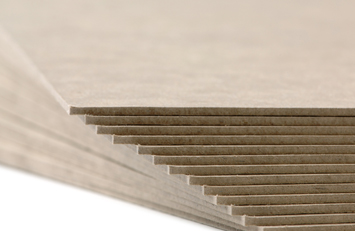
In the realm of book manufacturing and packaging, the choice of materials plays a pivotal role in determining the quality, durability, and aesthetic appeal of the final product. In this article, we delve into the differences between popular board types, the density requirements for textbooks, and the factors to consider when selecting a board for a projecT.
Graphic Board:
Graphic board is a versatile material widely used in various applications including book covers, packaging, and promotional materials. It is typically made from layers of 100% recycled paper that are compressed and adhered together to form a rigid
and sturdy sheet. Graphic board comes in different grades and calipers, offering flexibility in design and functionality. It is commonly chosen for its smooth surface, printability, foldability, and cost effectiveness. The LBS Graphic Board offering includes our exclusive PRIMESELECT™ board, and Eurowhite One-Side Graphic Board. We also provide a selection of Chipboard, including Black One-Side Chipboard or Solid Black Chipboard.
Spec Board:
Spec board or high-density (HD) board is a heavier and denser type of board specifically engineered for bookbinding and packaging applications that require superior strength and durability. HD board is known for its ability to withstand the rigors of
frequent handling, making it an ideal choice for hardcover books, elementary and high school text books, and other heavy-duty packaging solutions.
Textbooks are especially subjected to frequent handling, transportation, and storage, requiring a robust cover board that can withstand repeated use without succumbing to wear and tear. This is why NASTA established density requirements of 4.2
or above for the manufacture of textbooks. Our exclusive PRIMEONE® 4.2 board not only meets NASTA specifications, but also displays a smooth surface finish.
Specialty Board:
Sometimes a unique project requires a special board. Our specialty boards include Padded Foam Board, Hemp-Infused Folding Board, and Laminated SBS Board in a variety of different sizes and calipers.
Factors When Selecting a Board:
- Durability: Consider the intended use of the final product and choose a board that offers the necessary durability and structural integrity to withstand handling, transportation, and storage.
- Surface appearance: The visual appearance and tactile feel of the board can be critical for products that require a smooth, even surface.
- Budget: Balance the desired quality with financial constraints to select a board that meets the project requirements without exceeding budget.
- Caliper & density: Consider the thickness and weight of the board in relation to the final product specifications and printing/bindery processes to ensure compatibility and optimal performance.
In conclusion, by understanding the distinctive characteristics and applications of each board type, manufacturers and designers can make informed decisions to create high-quality and visually appealing products that meet the needs of their target audience.