
 Color Guide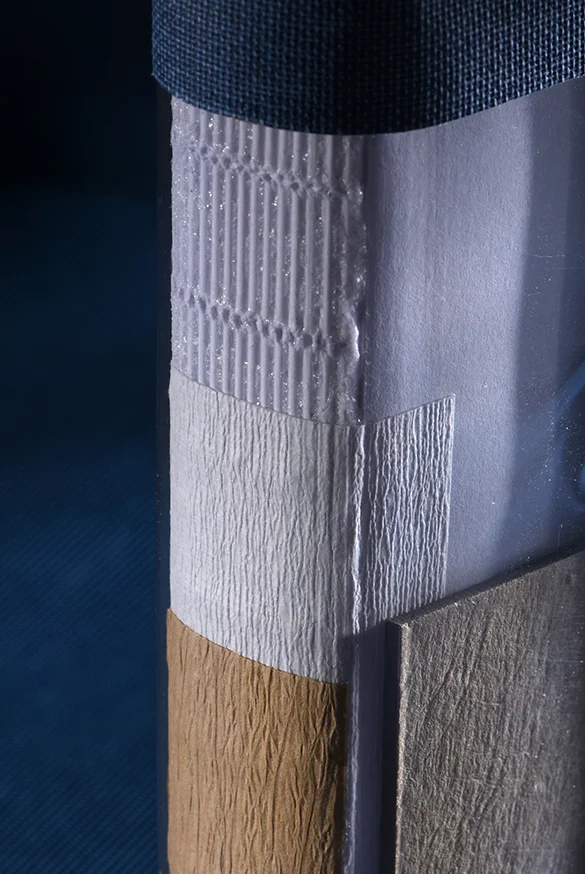
The selection of reinforcing materials is vital for ensuring the durability and longevity of hard cover books. These materials play a crucial role in maintaining the structural integrity of the spine, especially as the industry moves towards on-demand production runs. This article explores the evolution of reinforcing materials with special considerations for short production runs, and the marking of capping materials to enhance production efficiency.
The Role of Reinforcing Materials
Reinforcing materials are applied to the spine of the book block before the cover is attached. They provide necessary support, enabling the book to withstand repeated handling and use. The effectiveness of these materials is measured by their durability, flexibility, and resistance to environmental factors like moisture.
Modern Reinforcing Materials
Crepe paper has been a traditional choice for spine reinforcement. Advancements in materials science have created new alternatives, such as GS5L or GP2R, which offer improved properties:
- Enhanced Durability: These materials are designed to last longer, even with extensive use.
- Moisture Resistance: Many modern materials resist moisture, preventing degradation.
- Increased Strength: They offer better structural support, reducing the risk of spine damage.
Marking of Capping Materials
To further increased production efficiency, the marking of the head (or tail) of capping materials is a service offered by LBS. This practice helps address orientation issues that can occur during bookbinding:
- Reduced Errors: Clear markings help ensure correct orientation, reducing mistakes.
- Greater Efficiency: Correctly oriented materials streamline the production process.
Reinforcing Materials in On-Demand Binding
The shift towards on-demand book production has necessitated improvements in efficiency and accuracy, forcing material manufacturers to develop products that reduce machine setup times or streamline production steps.
One aspect is the printability of reinforcing materials, allowing the transfer of barcodes directly into the spine reinforcement material on the overlap. This offers several benefits:
- Improved Tracking: Simplifies tracking during production.
- Greater Efficiency: Reduces the need for any additional labeling, which speeds up the production processes.
- Accuracy: Minimizes errors when identifying and sorting books, which is crucial in large-scale operations.
Reinforcing materials are a critical component in book manufacturing, influencing the durability and longevity of books. As the industry continues to evolve, material advancements will ensure that books remain robust and high-quality, ready to endure the rigors of time and use.
Ask our LBS experts for their recommendations regarding your equipment and production runs.