
 Color Guide
Hardcover books continue to hold a strong place in the publishing industry, even as digital formats grow. Readers consistently show a preference for printed books, and hardcover editions remain an important category for publishers, collectors, and gift buyers.
One reason is simple: the physical experience of a book matters.
The weight, texture, and visual quality of a hardcover book contribute to its perceived value. That makes the cover material a key decision in book design and manufacturing.
For many publishers, cloth cover materials remain the preferred choice for durable, premium hardcover books.
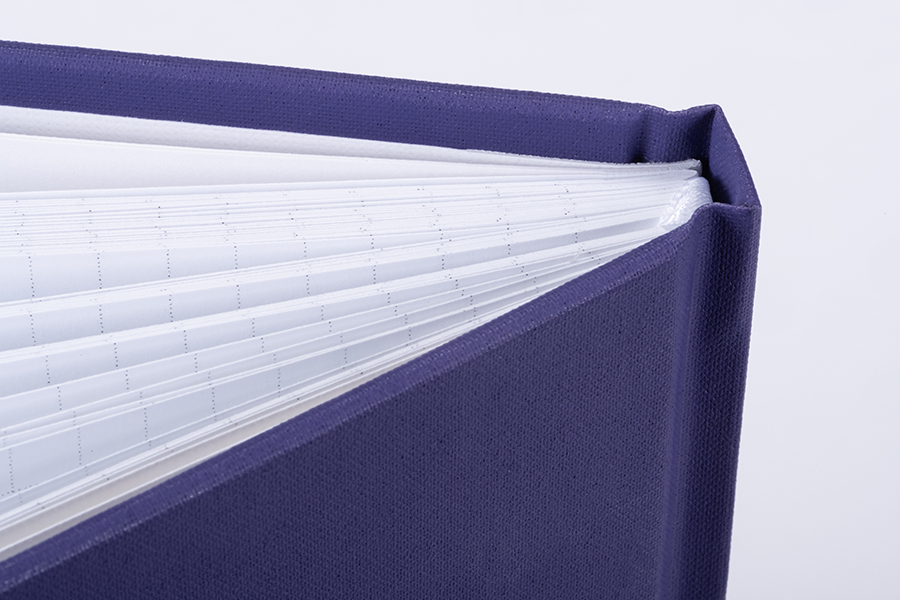
Cloth has been used in bookbinding for generations because it combines durability, aesthetics, and tactile appeal.
Compared with printed paper or laminated covers, cloth materials offer:
- Greater resistance to wear and handling
- Compatibility with foil stamping and embossing
- A premium appearance associated with quality publishing
- A distinctive texture that encourages readers to pick up the book
In bookstores and libraries, hardcover books often receive significant handling. Cloth coverings help ensure the book maintains its appearance over time.
Do Cover Materials Influence Book Buying Decisions?
Yes—touch plays an important role in retail purchasing behavior.
Research into consumer behavior consistently shows that tactile experiences influence how people perceive product quality, particularly in premium products like books, stationery, and luxury packaging.
When readers browse a bookstore shelf, they first respond visually to the cover design. But once they pick up a book, texture becomes part of the decision-making process.
Cloth materials provide a warmth and authenticity that laminated covers cannot replicate. This tactile quality can subtly reinforce the perception that a book is special, collectible, or gift-worthy.
Coated vs. Uncoated Book Cloth: What’s the Difference?
Book cloth typically falls into two categories: coated cloth and uncoated cloth.
Each provides different visual and performance characteristics.

Coated cloth materials feature a protective surface finish that enhances durability and creates a smoother appearance.
These materials are often selected for books that require:
- High durability
- Consistent color and surface appearance
- Resistance to scuffing and wear
- Strong performance with foil stamping
A good example is ALLURE®, a coated book cloth that provides a refined surface while maintaining the structural strength expected from traditional cloth coverings.
This type of material is often used for reference books, textbooks, and high-use publications.
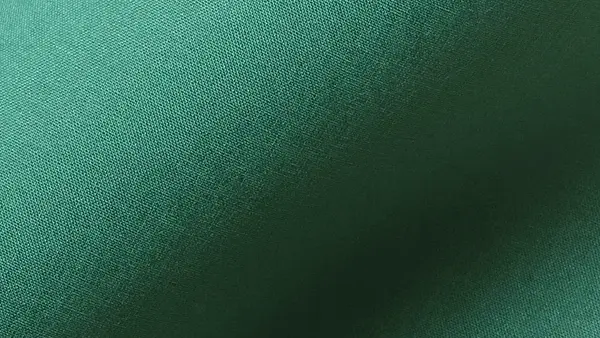
Uncoated cloth emphasizes the natural woven texture of the material, creating a more traditional bookbinding aesthetic.
Designers often choose uncoated cloth when they want to highlight the tactile character of the book.
Benefits of uncoated cloth include:
- A classic, recognizable book cloth texture
- Strong compatibility with decorative techniques
- A premium look associated with literary and gift books
VERONA® is an example of an uncoated book cloth that showcases this traditional tactile quality while offering reliable performance in hardcover binding.
Cloth coverings are commonly used for hardcover books that are intended to feel permanent, collectible, or premium.
Typical applications include:
- Literary hardcover editions
- Academic and scholarly books
- Gift books and special editions
- Journals and stationery products
- Library-bound publications
Because cloth supports techniques like foil stamping, embossing, and debossing, it allows designers to create covers that stand out visually while maintaining structural durability.
What Makes a Hardcover Book Feel “Premium”?
Several factors contribute to the perceived quality of a hardcover book:
- The weight and structure of the binding
- The texture and appearance of the cover material
- Decorative elements such as foil stamping or embossing
- The overall craftsmanship of the finished book
Cloth materials support all of these elements by providing both visual depth and tactile richness.
For publishers and designers, selecting the right cloth can help ensure that the finished book communicates quality from the moment a reader picks it up.
Selecting the Right Book Cloth for Your Project
When choosing between coated and uncoated cloth, consider the goals of your project.
Choose coated cloth if you need:
- Additional durability
- A smoother, more uniform finish
- Strong resistance to scuffing
Choose uncoated cloth if you want:
- A traditional cloth texture
- A more tactile reader experience
- A classic hardcover appearance
Both options deliver the durability and visual impact that publishers expect from hardcover book materials.
Explore Hardcover Cover Materials
The right cover material can elevate a hardcover book from simply functional to truly memorable.
If you’re evaluating materials for an upcoming project, exploring both coated cloth options like ALLURE® and uncoated cloths like VERONA® can help you determine which texture and performance characteristics best match your design goals.
Interested in seeing the materials in person? Request samples to compare textures, colors, and decoration compatibility.